
Official Website
Decameron - La Isla de los Micos: How One of the Most Iconic Treasures of the Colombian Amazon Was Transformed

La Isla de los Micos: How One of the Most Iconic Treasures of the Colombian Amazon Was Transformed
News and novelties Decameron Hotels
La Isla de los Micos: How One of the Most Iconic Treasures of the Colombian Amazon Was Transformed
July 23, 2026
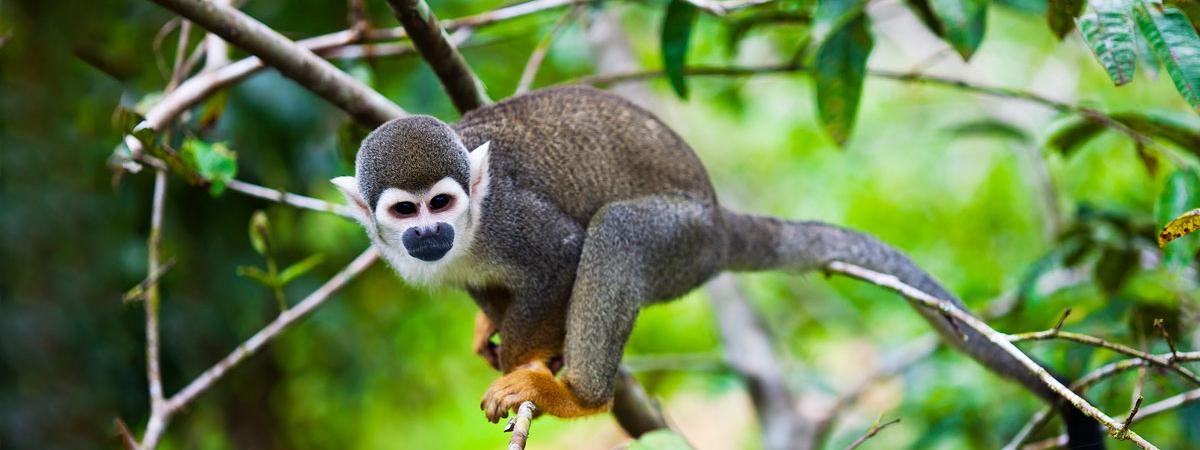
Operated by Decameron since 2012, Monkey Island combines environmental conservation, sustainable tourism, and development for indigenous communities, becoming one of Leticia's main ecotourism attractions.
Bogota, June 17, 2026
In the south of Colombia, where the Amazon River connects the borders of Colombia, Brazil,
and Peru, there is a place that for decades has sparked the curiosity of both domestic and
international travelers: Monkey Island (La Isla de los Micos). Surrounded by hundreds of
hectares of tropical rainforest and inhabited by emblematic species like the Saimiri sciureus— popularly known as the squirrel monkey—this island has become one of the main tourism and environmental symbols of the Colombian Amazon.
Located approximately 35 kilometers from Leticia and accessible after a 45-minute boat ride
along the Amazon River, Monkey Island represents an experience of connection with
biodiversity, indigenous communities, and sustainability today. However, its history also reflects the transformation of tourism in the Amazon region and the evolution of conservation models that seek to protect both wildlife and the natural environment.
Since 2012, the tourism operation of Monkey Island has been managed by Decameron, a company that has been working on protecting the flora and fauna of this territory, spanning approximately 400 hectares. This commitment has strengthened responsible tourism experiences while generating economic and cultural opportunities for nearby indigenous
communities.
"Monkey Island is much more than a tourist attraction. It is a space where we seek to connect visitors with the natural and cultural richness of the Amazon through a vision of respect, conservation, and sustainability," says Edgar Armando Leal Peñaranda, manager of
Decalodge Ticuna.
The Role of Decameron in the Colombian Amazon
Currently, more than 70 direct jobs depend on the tourism operation linked to the hotel chain's ecosystem in the Amazon. Added to this is the collaborative work with the indigenous
communities, Maloca Yaguas and Progreso Ticuna, comprised of over a thousand inhabitants,
who actively participate in cultural, environmental, and commercial activities related to tourism. As part of this integration, the chain set up permanent spaces for the sale of handicrafts made by members of both communities. In total, 18 artisans from the Ticuna community and 23 from the Yaguas community participate, finding in tourism a showcase to preserve and share their cultural identity.
In addition to handicraft activities, five indigenous artists constantly share cultural expressions, traditional dances, and ancestral stories with travelers, allowing them to understand the spiritual and daily relationship that Amazonian communities maintain with the jungle and its species.
What Other Experiences Does the Amazon Offer?
The tourist experience also allows for the exploration of other emblematic sites of the Colombian Amazon such as Puerto Nariño, the Tarapoto Lakes, Yahuarcaca, and Zacambú, as well as activities like pink dolphin watching and visits to cultural spaces such as the "El Hombre Amazónico" Ethnographic Museum.
The growing relevance of sustainable tourism in Colombia has made the Amazon one of the
destinations with the greatest potential for travelers interested in nature, conservation, and authentic experiences. In this context, Monkey Island has positioned itself as an example of how tourism can become a tool to preserve strategic ecosystems and strengthen local economies.
In parallel, Decalodge Ticuna, located in Leticia just a few minutes from Vásquez Cobo Airport, has established itself as one of the entry points for those seeking to discover the Amazon region through an immersive experience.
Bogota, June 17, 2026
In the south of Colombia, where the Amazon River connects the borders of Colombia, Brazil,
and Peru, there is a place that for decades has sparked the curiosity of both domestic and
international travelers: Monkey Island (La Isla de los Micos). Surrounded by hundreds of
hectares of tropical rainforest and inhabited by emblematic species like the Saimiri sciureus— popularly known as the squirrel monkey—this island has become one of the main tourism and environmental symbols of the Colombian Amazon.
Located approximately 35 kilometers from Leticia and accessible after a 45-minute boat ride
along the Amazon River, Monkey Island represents an experience of connection with
biodiversity, indigenous communities, and sustainability today. However, its history also reflects the transformation of tourism in the Amazon region and the evolution of conservation models that seek to protect both wildlife and the natural environment.
Since 2012, the tourism operation of Monkey Island has been managed by Decameron, a company that has been working on protecting the flora and fauna of this territory, spanning approximately 400 hectares. This commitment has strengthened responsible tourism experiences while generating economic and cultural opportunities for nearby indigenous
communities.
"Monkey Island is much more than a tourist attraction. It is a space where we seek to connect visitors with the natural and cultural richness of the Amazon through a vision of respect, conservation, and sustainability," says Edgar Armando Leal Peñaranda, manager of
Decalodge Ticuna.
The Role of Decameron in the Colombian Amazon
Currently, more than 70 direct jobs depend on the tourism operation linked to the hotel chain's ecosystem in the Amazon. Added to this is the collaborative work with the indigenous
communities, Maloca Yaguas and Progreso Ticuna, comprised of over a thousand inhabitants,
who actively participate in cultural, environmental, and commercial activities related to tourism. As part of this integration, the chain set up permanent spaces for the sale of handicrafts made by members of both communities. In total, 18 artisans from the Ticuna community and 23 from the Yaguas community participate, finding in tourism a showcase to preserve and share their cultural identity.
In addition to handicraft activities, five indigenous artists constantly share cultural expressions, traditional dances, and ancestral stories with travelers, allowing them to understand the spiritual and daily relationship that Amazonian communities maintain with the jungle and its species.
What Other Experiences Does the Amazon Offer?
The tourist experience also allows for the exploration of other emblematic sites of the Colombian Amazon such as Puerto Nariño, the Tarapoto Lakes, Yahuarcaca, and Zacambú, as well as activities like pink dolphin watching and visits to cultural spaces such as the "El Hombre Amazónico" Ethnographic Museum.
The growing relevance of sustainable tourism in Colombia has made the Amazon one of the
destinations with the greatest potential for travelers interested in nature, conservation, and authentic experiences. In this context, Monkey Island has positioned itself as an example of how tourism can become a tool to preserve strategic ecosystems and strengthen local economies.
In parallel, Decalodge Ticuna, located in Leticia just a few minutes from Vásquez Cobo Airport, has established itself as one of the entry points for those seeking to discover the Amazon region through an immersive experience.
Latest news
Don't miss what's new from Decameron!
blog-latest-posts-antlia__description
Press Releases

Grand Decameron Panamá continues to operate normally.
09 Oct 2026
Following the seismic event recorded in Panama, our operations and maintenance teams conducted the corresponding inspections at Grand Decameron Panama, confirming that the hotel has …
Read more
Special dates

Experience November at Grand Decameron Panama, A Trademark All Inclusive
08 Oct 2026
A whole month to celebrate what makes us who we are, with two special dates to enjoy Panama's National Holidays to the fullest.
Read more
November is …
Recognitions

Decameron presents its 2025 Sustainability Report
Read more
02 Oct 2026
Tourism that generates employment, protects ecosystems and connects communities.
The 2025 Sustainability Report reveals the impact of an operation that combines job creation, training, environmental …